The basics of caring for your dog’s coat at home
A dog’s coat is its protection and an indicator of health. The condition of the coat can say a lot about the animal’s well-being: if it is shiny and smooth, it means the pet is receiving proper nutrition and care. If the coat is dull, brittle, or falling out in patches, this is a sign of problems that should not be ignored.
Regular coat care not only keeps it beautiful but also prevents skin diseases, makes life easier for the pet, and makes its stay in the home more comfortable for owners. This is especially important for long-haired breeds, where without care the coat quickly tangles, mats form, and the skin underneath becomes inflamed.
Why it is important to care for your dog’s coat
The coat performs several essential functions:
-
Protects from cold and heat.
-
Retains moisture and prevents the skin from drying out.
-
Acts as a barrier against parasites and infections.
-
Participates in the body’s thermoregulation.
If coat care is neglected, the hair becomes brittle, accumulates dirt, dust, and bacteria, leading to unpleasant odor, itching, and health problems.
Main stages of coat care
-
Regular brushing
This is the basis of grooming. Brushing removes dead hairs, improves blood circulation, and prevents mat formation. Short-haired breeds require brushing once a week; long-haired breeds need daily brushing. -
Bathing
Too frequent washing is harmful as it removes the skin’s protective oil layer. It is optimal to bathe your dog once every 3–4 weeks. Exceptions include heavy dirt or medical necessity. -
Using grooming products
Special shampoos, conditioners, and sprays are designed specifically for dogs. They help keep the coat soft, make brushing easier, and add shine. Human shampoos must not be used. -
Drying the coat
Wet fur is a favorable environment for fungi. After bathing, the dog should be thoroughly towel-dried, then finished with a blow-dryer on warm (not hot) air. -
Haircuts and trimming
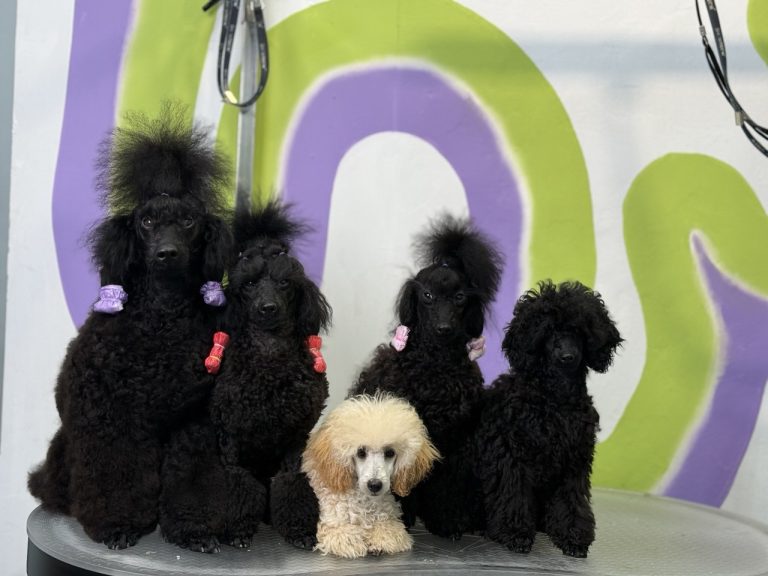
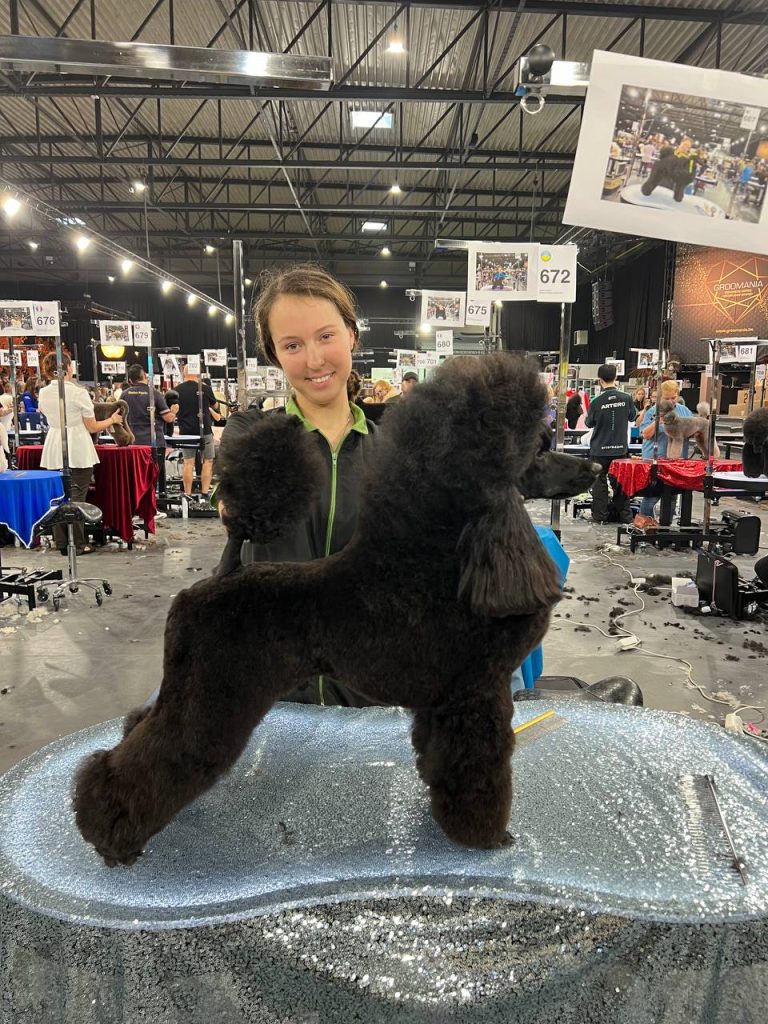
Some breeds (Yorkshire Terriers, Poodles, Shih Tzus) require regular grooming or trimming. This maintains hygiene, prevents mats, and makes coat care easier. -
Nutrition and vitamins
Coat quality directly depends on diet. Proteins, omega-3 and omega-6 fatty acids, B vitamins, and zinc are essential for shine and strength.
Numbered list: rules of proper care
-
Brush your pet regularly, considering breed characteristics.
-
Bathe only with specialized dog shampoos.
-
Never leave your dog with wet fur.
-
Use conditioners to make brushing easier.
-
Monitor the diet and add vitamins if necessary.
-
Treat your dog against fleas and ticks.
-
Visit a groomer every few months.
Bulleted list: mistakes to avoid
-
Bathing too often, especially with regular shampoos.
-
Using unsuitable brushes that can irritate the skin.
-
Ignoring mats in long-haired breeds.
-
Lack of parasite prevention.
-
Poor diet lacking vitamins.
-
Leaving the dog to dry in a draft after bathing.
Table: coat-care features depending on coat length
| Coat type | Brushing frequency | Bathing | Care specifics |
|---|---|---|---|
| Short | Once a week | Every 4–6 weeks | Use soft brushes |
| Medium | 2–3 times a week | Every 3–4 weeks | Monitor shedding |
| Long | Daily | Every 2–3 weeks | Remove mats, professional grooming |
| Wiry | 1–2 times a week | As needed | Regular trimming |
| Fluffy (downy) | Daily | Every 3–4 weeks | Careful brushing of the undercoat |
Additional tips
-
Start getting your puppy used to grooming from the first months of life. The procedures will become familiar and stress-free.
-
Use different brushes: a slicker brush for long hair, a massage brush for short hair, and a comb to remove mats.
-
Increase brushing frequency during shedding to make house cleaning easier.
-
If the coat loses shine or dandruff appears, consult a veterinarian — this may indicate dietary issues or skin diseases.
-
Don’t forget to take care of the skin: check it for irritations, bites, or wounds.
Conclusion
Caring for your dog’s coat at home is a comprehensive process that includes brushing, bathing, trimming, nutrition, and disease prevention. By investing a little time and attention, you will ensure your pet has a beautiful, healthy coat — and you will enjoy a cleaner, more comfortable home.