
How nutrition affects a puppy’s appearance and health
Proper nutrition is the foundation of a puppy’s health. What you feed your pet in the first months of life determines its development, activity level, coat condition, and even life expectancy. Mistakes in the diet can lead to problems with bones, teeth, digestion, and immunity.
Why nutrition plays a key role
The puppy’s body grows rapidly: the skeleton, muscles, and organs are forming. For this, it needs more nutrients than an adult dog. A lack or excess of certain components leads to issues:
-
A lack of calcium causes weak bones;
-
An excess of fats leads to obesity;
-
A deficiency of protein slows growth and weakens muscles.
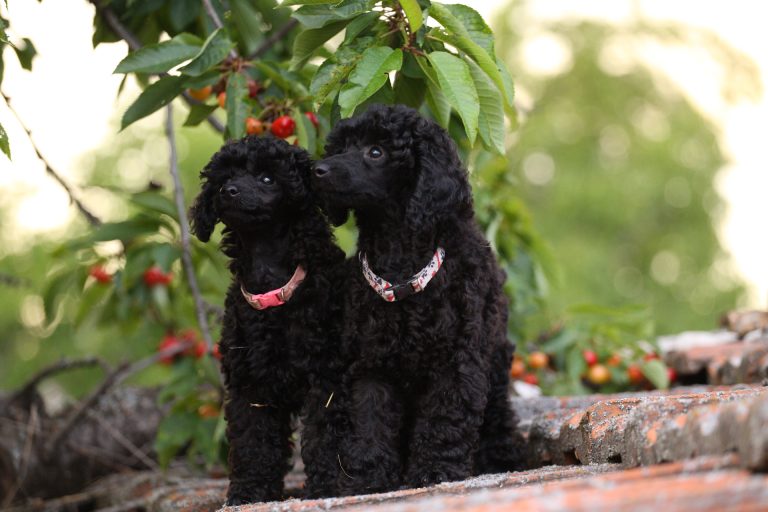
A well-balanced diet not only supports health but also affects appearance: shiny coat, strong teeth, bright eyes — all signs of proper nutrition.
Main components of a puppy’s diet
-
Proteins
The main building material for muscles and tissues. Should be the basis of the diet. -
Fats
A source of energy and essential fatty acids needed for skin and coat. -
Carbohydrates
Provide energy, but should be given in moderation. -
Vitamins and minerals
Especially important are calcium, phosphorus, B-group vitamins, A, D, and E. -
Water
A puppy must always have access to fresh water.
Numbered list: feeding rules for a puppy
-
Feed your puppy 3–4 times a day in small portions.
-
Stick to a consistent feeding schedule; do not give food “from the table”.
-
Choose high-quality dog food or a carefully balanced natural diet.
-
Remove the bowl 15–20 minutes after feeding to prevent overeating.
-
Monitor coat condition and stool — they indicate the quality of nutrition.
-
When changing food, introduce it gradually.
-
Consult a veterinarian when choosing a diet.
Bulleted list: foods to avoid
-
Chocolate and sweets
-
Onions and garlic
-
Smoked and salty foods
-
Fish and poultry bones
-
Fatty and fried foods
-
Carbonated drinks and large amounts of milk
Table: comparison of natural and commercial feeding
| Type of feeding | Advantages | Disadvantages |
|---|---|---|
| Natural diet | Control over product quality | Requires time for preparation |
| Dry food | Balanced vitamins and minerals | Must be premium-class for good quality |
| Wet food | Good digestibility | More expensive than dry food |
| Mixed diet | Flexibility, variety | Risk of imbalance if mistakes are made |
Additional tips
-
Supplements with omega-3 and omega-6 fatty acids are beneficial for the coat.
-
For toy breeds, choose small kibble sizes.
-
Do not change food abruptly — it causes digestive upset.
-
Use treats only as a reward, not as the main food.
-
Monitor body weight: a puppy should not be too thin or overfed.
Conclusion
Nutrition is the foundation of a puppy’s health. A proper diet affects not only growth and development but also appearance: strong teeth, shiny coat, energy, and vitality. By taking care of nutrition from the first months of life, you ensure your pet many healthy years ahead.